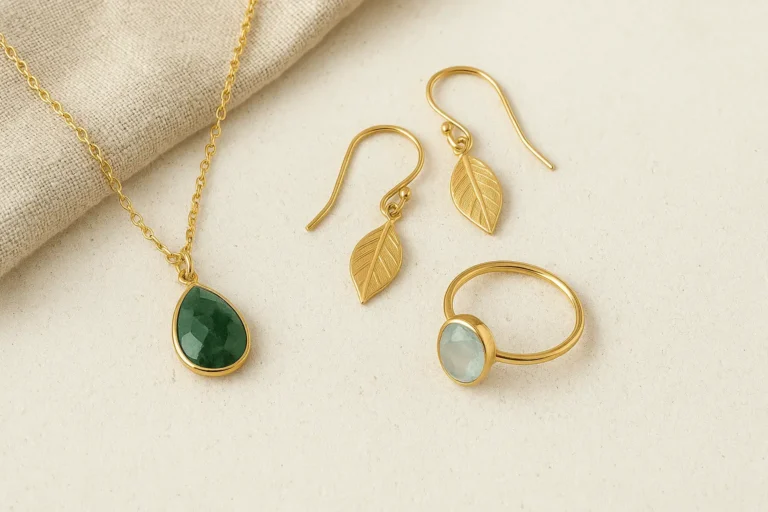
Your handmade jewelry represents more than just an accessory—it’s a work of art, a connection to skilled artisans, and often a cherished memory. Learning proper care techniques ensures these precious pieces maintain their beauty for generations to come.
Table of Contents
- Understanding Handmade Jewelry Materials
- Daily Care and Wearing Practices
- Professional Cleaning Methods at Home
- Smart Storage Solutions
- Metal-Specific Care Guidelines
- Gemstone Care and Protection
- Common Mistakes to Avoid
- When to Seek Professional Maintenance
- Seasonal Care in Greenville’s Climate
- Restoration and Repair Tips
Understanding Handmade Jewelry Materials

Before diving into care techniques, it’s essential to understand what makes handmade jewelry unique. Unlike mass-produced pieces, handmade rings, necklaces, and other jewelry items are crafted with individual attention, often using traditional metalworking techniques that have been refined over centuries.
Handmade jewelry typically features natural variations in texture, subtle imperfections that prove human craftsmanship, and carefully selected materials. These pieces may include precious metals like sterling silver, 14k or 18k gold, platinum, or alternative metals such as copper and brass. Understanding your jewelry’s composition is the first step toward proper care.
Many artisan pieces incorporate natural gemstones, pearls, or organic materials like wood, leather, or enamel work. Each material has distinct properties and requires specific care approaches. For instance, pearls are porous and can be damaged by chemicals, while certain gemstones like opals are sensitive to temperature changes.
The construction methods used in handmade jewelry also differ from mass production. Hand-soldered joints, hand-set stones, and hammered textures each respond differently to cleaning agents and handling. This is why generic jewelry care advice sometimes falls short for artisan pieces—they deserve specialized attention that honors the craftsmanship behind them.
Daily Care and Wearing Practices

The way you wear your handmade jewelry daily has the most significant impact on its longevity. Adopting mindful wearing habits can prevent 90% of common jewelry damage, making these practices more valuable than any cleaning technique.
The Last On, First Off Rule
Professional jewelers universally recommend putting jewelry on last when getting dressed and removing it first when undressing. This simple rule protects your pieces from cosmetics, perfumes, hairsprays, and lotions that can tarnish metals, cloud gemstones, or degrade delicate materials. In Greenville’s humid climate, this practice becomes even more critical as moisture can trap chemicals against metal surfaces.
Activity-Based Removal
Remove your handmade jewelry before activities that could damage it. This includes exercising, swimming, showering, cleaning with household chemicals, gardening, or sleeping. Physical activities can cause impact damage, while chlorine and saltwater aggressively corrode many metals. Even seemingly harmless activities like applying hand lotion can leave residue that dulls your jewelry’s finish over time.
Rotation Practices
If you own multiple pieces of handmade necklaces or artisan earrings, consider rotating them rather than wearing the same pieces daily. This reduces wear on individual items and allows you to monitor each piece for signs of damage or needed maintenance. It also gives pieces time to “rest” between wearings, particularly important for strung items like pearl necklaces.
Inspection Habits
Develop a habit of briefly inspecting your jewelry each time you wear it. Check for loose stones, worn prongs, stretched links, or tarnish beginning to form. Catching issues early prevents minor problems from becoming major repairs. This is especially important for fine jewelry pieces with valuable gemstones.
Professional Cleaning Methods at Home

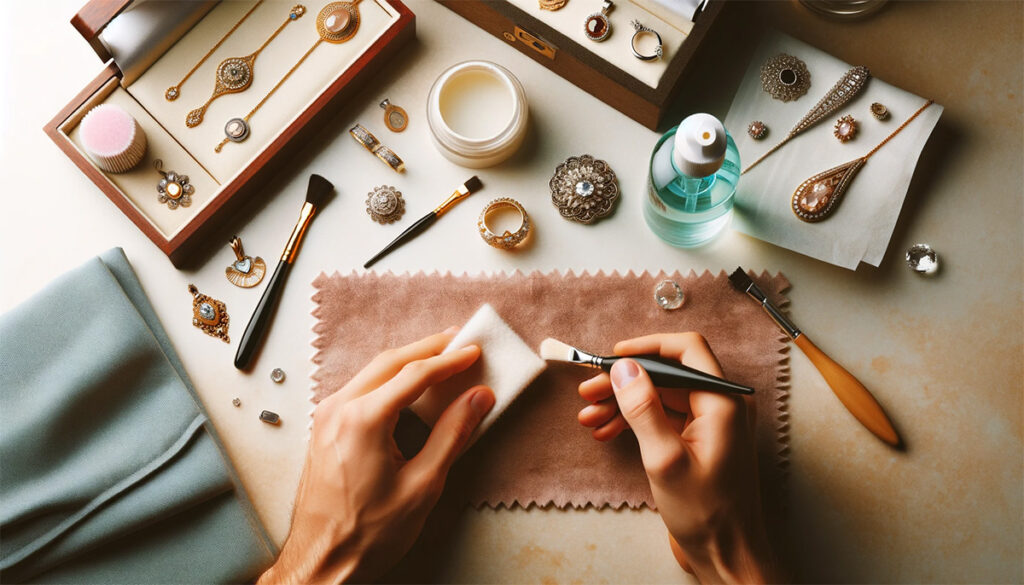
Regular cleaning maintains your handmade jewelry’s beauty and prevents buildup that can cause long-term damage. Here are professional-grade cleaning methods you can safely use at home for different types of pieces.
The Gentle Soap Method
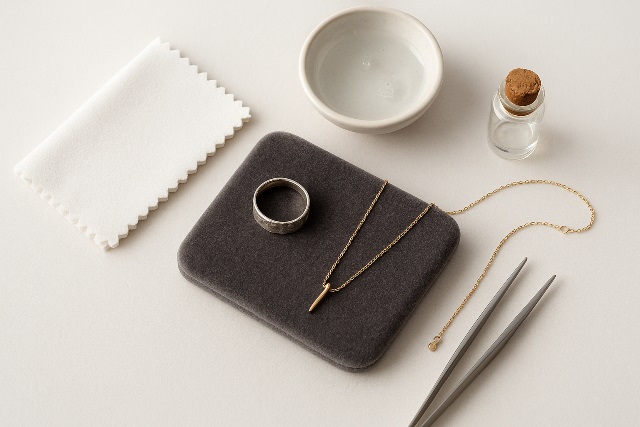
For most handmade jewelry, a simple soap and water solution works beautifully. Mix a few drops of mild, phosphate-free dish soap in warm (not hot) water. Place your jewelry in the solution and let it soak for 5-10 minutes to loosen dirt and oils. Use a soft-bristled toothbrush to gently clean crevices and textured areas. Rinse thoroughly under lukewarm running water and pat dry with a lint-free cloth.
This method works exceptionally well for sterling silver, gold, and platinum pieces without delicate gemstones. It’s safe for everyday cleaning and removes the oils and dirt that accumulate from normal wear. The key is using truly mild soap—avoid anything with moisturizers, antibacterial agents, or harsh detergents.
The Polishing Cloth Technique
For quick maintenance between deep cleanings, jewelry polishing cloths are indispensable. These specially treated cloths remove tarnish and restore shine without harsh chemicals. Use gentle, straight strokes rather than circular motions, which can create micro-scratches on softer metals.
Keep separate cloths for different metals—using the same cloth on silver and gold can transfer tarnish-causing compounds. Replace cloths when they become heavily soiled, as they can scratch rather than polish once saturated with removed tarnish.
Ultrasonic Cleaning Considerations
While ultrasonic cleaners are popular, they’re not suitable for all handmade jewelry. The vibrations can loosen hand-set stones, damage delicate filigree work, or cause structural stress in soldered joints. If you choose to use one, consult with the artisan who created your piece first. Never use ultrasonic cleaners on pearls, opals, emeralds, or any porous gemstones.
Steam Cleaning Caution
Professional jewelers often use steam cleaning, but this technique requires expertise and isn’t recommended for home use with handmade pieces. The high temperature and pressure can damage temperature-sensitive stones, loosen glued components, or cause thermal shock in certain gemstones.
Smart Storage Solutions

Proper storage prevents scratches, tarnish, and tangling while protecting your handmade jewelry when it’s not being worn. The right storage system extends your jewelry’s life significantly, especially in Greenville’s variable humidity conditions.
Individual Compartments
Store each piece separately to prevent scratches. Harder stones and metals can damage softer ones—for instance, a diamond ring can scratch gold handmade bracelets if stored together. Use divided jewelry boxes, individual pouches, or compartmentalized organizers. Soft fabric-lined boxes are ideal, as they cushion pieces and prevent movement.
Anti-Tarnish Storage
Silver jewelry benefits enormously from anti-tarnish storage solutions. Anti-tarnish strips, cloth, or specially treated storage boxes neutralize sulfur compounds that cause tarnishing. These are particularly valuable in humid climates like ours here in Greenville. Replace anti-tarnish strips according to manufacturer recommendations, typically every 6-12 months.
Climate Control
Store jewelry in a cool, dry place away from direct sunlight and heat sources. Extreme temperatures and humidity fluctuations can damage certain materials. Avoid storing jewelry in bathrooms, where steam and humidity are constant concerns. A bedroom drawer or closet typically provides ideal conditions.
Hanging Storage for Necklaces
Delicate necklaces benefit from hanging storage, which prevents tangling and kinking. Use padded hangers, jewelry stands, or wall-mounted organizers. Ensure clasps are fastened when hanging to prevent chains from developing permanent kinks. For particularly delicate chains, consider wrapping them in soft tissue before hanging.
Travel Protection
When traveling, use a dedicated jewelry travel case with separate compartments. Roll soft items like chains in tissue paper to prevent tangling. Place hard items in individual pouches. Never pack jewelry in checked luggage—always carry it with you. For valuable pieces, photograph them before travel for insurance purposes.
Metal-Specific Care Guidelines

Different metals require different care approaches. Understanding your jewelry’s metal composition allows you to tailor your maintenance routine for optimal results.
Sterling Silver Care
Sterling silver (92.5% pure silver) naturally tarnishes when exposed to sulfur compounds in air, particularly in humid environments. Regular wearing actually helps prevent tarnish, as the friction from daily use polishes the surface. When tarnish does occur, use a silver polishing cloth or a gentle silver cleaning solution. For heavily tarnished pieces, create a paste from baking soda and water, gently rub it on, and rinse thoroughly.
Store silver in anti-tarnish cloth or with anti-tarnish strips. Avoid exposing silver to chlorine, which can cause pitting and discoloration. If your silver piece includes gemstones, be cautious with chemical cleaners—some stones react poorly to silver cleaning solutions.
Gold Jewelry Maintenance
Gold is relatively low-maintenance but still requires care. Higher karat gold (18k, 22k) is softer and more prone to scratching than 14k gold. Clean gold jewelry with warm soapy water and a soft brush. Gold doesn’t tarnish, but it can accumulate dirt and oils that dull its luster.
Yellow gold maintains its color naturally, but white gold is typically rhodium-plated to achieve its bright white appearance. This plating wears off over time, requiring re-plating every few years to maintain its color. Rose gold, an alloy of gold and copper, may darken slightly over time due to the copper content—this is normal and often considered desirable for its vintage appearance.
Platinum Care
Platinum is the most durable precious metal used in jewelry, but it develops a patina over time that some owners love and others prefer to polish away. Clean platinum with the same gentle soap method used for gold. Platinum can be professionally polished to restore its original bright finish, though many jewelry enthusiasts prefer the distinguished patina that develops naturally.
Alternative Metal Considerations
Copper develops a natural patina and can turn green from oxidation. Some wearers enjoy this antique look, while others prefer to maintain copper’s original luster with regular polishing. Brass similarly develops patina and can be maintained with brass-specific polishing solutions. Titanium and stainless steel are highly durable and require minimal maintenance beyond regular cleaning with soap and water.
Gemstone Care and Protection

Gemstones vary dramatically in hardness, porosity, and sensitivity to chemicals and temperature. Understanding your specific gemstones ensures you clean and care for them appropriately.
Durable Gemstones
Diamonds, sapphires, and rubies are extremely hard (8-10 on the Mohs scale) and can withstand most cleaning methods. These stones can be cleaned with warm soapy water, ultrasonic cleaners (if settings are secure), and even steam cleaning in most cases. However, heavily included stones or those with fractures should still be treated gently, as inclusions can create weak points.
Moderate Hardness Stones
Stones like amethyst, citrine, topaz, and tourmaline (hardness 7-8) are durable but require more care. Avoid ultrasonic cleaners if stones show inclusions. Clean with gentle soap and water, and store separately from harder stones that could scratch them. These stones can handle regular wear but should be removed during heavy physical activity.
Delicate Gemstones
Opals, pearls, turquoise, and emeralds require special attention. Pearls are organic and porous—clean them only with a damp, soft cloth and never submerge them in cleaning solutions. Store pearls separately from other jewelry and restring pearl necklaces every 1-2 years if worn regularly.
Opals contain water and can crack if exposed to extreme temperature changes or very dry conditions. Clean opals with a slightly damp cloth only. Emeralds are often treated with oils or resins to enhance their appearance, so avoid ultrasonic cleaners and harsh chemicals that can remove these treatments.
Turquoise and other porous stones absorb chemicals, oils, and perfumes easily. Wipe these stones with a dry cloth only, and apply cosmetics before putting on jewelry featuring these materials.
Organic Materials
Amber, coral, jet, and ivory require minimal cleaning—just a soft, slightly damp cloth. Never use chemicals on these materials. Store them away from heat and direct sunlight, which can cause fading or cracking. These materials are particularly susceptible to damage from cosmetics and hairspray.
Common Mistakes to Avoid
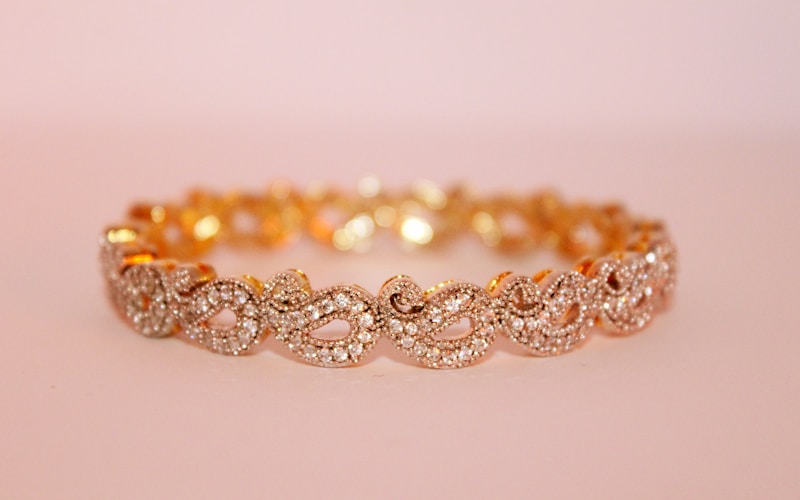
Even well-intentioned jewelry owners can inadvertently damage their handmade pieces. Avoiding these common mistakes protects your investment and preserves your jewelry’s beauty.
Over-Cleaning
While regular cleaning is important, excessive cleaning can actually harm jewelry. Over-polishing removes metal, gradually thinning pieces and wearing away details like engraving or texture. Clean your jewelry only when it needs it—typically once a month for frequently worn pieces, less often for occasional pieces.
Using Harsh Chemicals
Household cleaners, bleach, ammonia, and chlorine can damage metals and gemstones. Even jewelry cleaners labeled “safe” may not be appropriate for all handmade pieces. When in doubt, stick with gentle soap and water. Common cleaning mistakes often involve using inappropriate chemical solutions.
Ignoring Loose Settings
If a stone moves even slightly in its setting, have it tightened immediately by a professional jeweler. Continuing to wear jewelry with loose stones almost guarantees eventual stone loss. Regular inspections catch these issues before catastrophic failure occurs.
Improper Storage
Tossing jewelry into a drawer or jewelry box without separation is one of the most common mistakes. Pieces tangle, scratch each other, and develop wear patterns that could be easily prevented. Taking thirty seconds to properly store each piece saves hours of untangling and potential repair costs.
Wearing Jewelry in Water
Many people forget to remove jewelry before washing hands, showering, or swimming. Water itself isn’t usually harmful, but soap residue builds up in settings, and chlorine can damage certain metals. Pool chlorine is particularly aggressive toward gold alloys and can cause permanent discoloration or structural damage.
DIY Repair Attempts
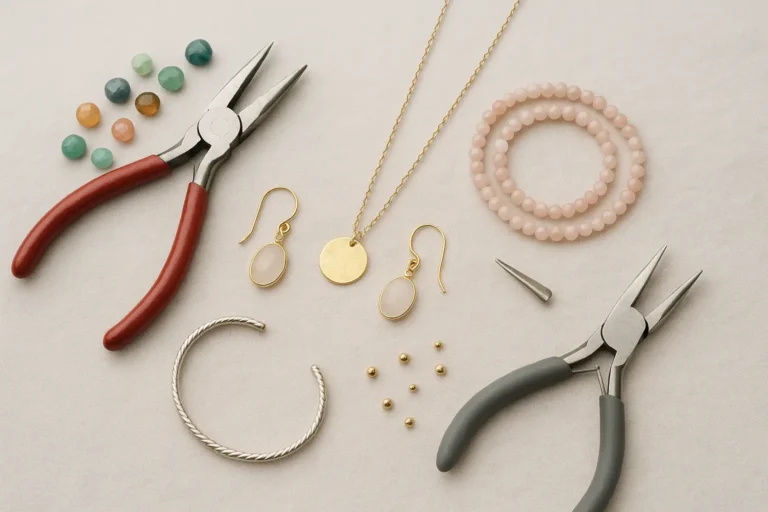
Attempting to repair handmade jewelry at home rarely ends well. Professional jewelers have specialized tools, knowledge, and experience that DIY attempts can’t replicate. Home repairs often cause more damage than the original problem, increasing eventual repair costs. Always consult a professional jeweler for repairs.
When to Seek Professional Maintenance
While regular home care maintains your jewelry beautifully, professional maintenance ensures long-term structural integrity and catches problems before they become serious.
Annual Professional Inspection
Schedule annual professional inspections for all valuable handmade jewelry pieces. Jewelers examine settings, check for worn prongs, inspect clasps and hinges, and identify potential problems. Many jewelers in Greenville offer free inspections, making this preventive maintenance accessible to everyone. This annual check-up is like a physical for your jewelry—early detection prevents major problems.
Signs You Need Professional Help
Seek immediate professional attention if you notice: loose stones that move in their settings, broken or damaged prongs, kinked or broken chains, damaged clasps that don’t close securely, missing stones or damaged enamel work, or any structural damage to the piece. Additionally, if you notice unusual discoloration that doesn’t respond to cleaning, a professional can determine whether it’s tarnish, plating wear, or a more serious issue.
Professional Cleaning Services
Even with excellent home care, professional cleaning every 1-2 years benefits most jewelry. Jewelers have access to ultrasonic cleaners, steam cleaners, and specialized solutions that can remove buildup from hard-to-reach areas. They can also professionally polish pieces, removing scratches and restoring original luster. For particularly valuable or delicate pieces, professional cleaning is always the safer choice.
Prong Retipping and Stone Tightening
Prongs that hold stones in place wear down over time, especially if you wear your jewelry frequently. Professional jewelers can retip worn prongs or tighten loose settings, preventing stone loss. This maintenance is particularly important for engagement rings and other pieces worn daily.
Rhodium Replating
White gold jewelry requires rhodium replating every few years to maintain its bright white appearance. As the plating wears, the underlying gold shows through with a slightly yellowish tint. Professional replating restores the original appearance and provides renewed protection for the base metal.
Seasonal Care in Greenville’s Climate

Greenville’s climate presents unique challenges for jewelry care. Understanding how our local weather affects different materials helps you adapt your care routine seasonally.
Summer Humidity Challenges
Greenville’s hot, humid summers accelerate tarnishing in silver jewelry and can cause moisture-related issues with certain gemstones. During summer months, increase the frequency of silver cleaning and inspection. Use silica gel packets in jewelry storage areas to absorb excess moisture. Be especially cautious about wearing delicate pieces during outdoor activities—sweat combined with sunscreen and bug spray creates a corrosive cocktail for jewelry.
Winter Dry Air
Winter’s indoor heating creates dry conditions that can affect certain gemstones, particularly opals and amber, which contain moisture. Consider using a humidifier in rooms where you store jewelry. The cold itself doesn’t typically harm jewelry, but extreme temperature fluctuations—like moving from a heated car into cold outdoor air—can cause thermal shock in certain stones.
Spring and Fall Transitions
Use seasonal transitions as reminders for jewelry maintenance tasks. Spring is an excellent time for professional inspections and deep cleaning after winter storage of special occasion pieces. Fall is ideal for treating silver with anti-tarnish products before the humid season returns. These transitional periods also offer natural opportunities to rotate your jewelry collection and assess what pieces need attention.
Storage Rotation
Consider rotating jewelry storage seasonally. Pieces worn frequently in summer might need different storage than winter pieces. This rotation provides opportunities to inspect all pieces regularly and ensures nothing sits neglected for months. It also allows you to refresh anti-tarnish products and clean storage containers.
Restoration and Repair Tips
Even with excellent care, jewelry sometimes needs restoration or repair. Understanding your options helps you make informed decisions about preserving your handmade pieces.
Finding a Qualified Jeweler
For handmade jewelry, seek jewelers who specialize in custom work and repairs rather than chain stores focused on new sales. Look for jewelers who can show examples of their repair work and are willing to discuss their process. In Greenville, several experienced jewelers understand the unique considerations of handmade pieces. Ask for recommendations from other handmade jewelry owners or from the artisan who created your piece if possible.
Documenting Jewelry Condition
Before taking jewelry for repair, photograph it from multiple angles. This documentation protects both you and the jeweler by providing a clear record of the piece’s condition before work begins. For valuable pieces, have the jeweler provide a detailed written estimate and timeline before work commences.
Understanding Repair Limitations
Some damage cannot be perfectly repaired—broken enamel work, for instance, often shows evidence of repair even after professional restoration. Discuss realistic expectations with your jeweler before authorizing work. Sometimes partial repair or stabilization is more appropriate than attempting perfect restoration, particularly for antique or vintage-inspired pieces where some wear adds character.
Preventive Restoration
For family heirloom pieces or jewelry with significant sentimental value, consider preventive restoration even before problems become visible. A jeweler can strengthen weak areas, replace worn components, and address potential failure points. This proactive approach preserves pieces for future generations while maintaining their original character.
Choosing Between Repair and Replacement
Sometimes repair costs approach or exceed replacement cost. For pieces without sentimental value, replacement might make economic sense. However, for handmade jewelry with personal significance or truly unique designs, repair is almost always worthwhile. The irreplaceable nature of handmade pieces—each one truly unique—often justifies higher repair costs than mass-produced jewelry would merit.
Maintaining Historical Integrity
For vintage or antique handmade jewelry, consult specialists before major restoration. Over-restoration can actually decrease value by removing original patina and historical integrity. Sometimes careful cleaning and stabilization preserves more value than aggressive restoration to “like new” condition.
Preserving Your Handmade Jewelry Legacy
Caring for handmade jewelry is an act of respect—respect for the artisan’s skill, the materials’ natural beauty, and the memories each piece holds. The techniques outlined in this guide protect your investment while honoring the craftsmanship that makes each piece special.
Remember that jewelry care isn’t about perfection; it’s about mindfulness. Simple daily habits—removing jewelry before certain activities, storing pieces properly, conducting regular inspections—prevent most damage. When problems do occur, professional help ensures repairs maintain the integrity of the original craftsmanship.
Your handmade jewelry from Make Made Jewelry deserves care that matches the attention given to its creation. By following these guidelines and adapting them to your specific pieces and lifestyle, you ensure that your jewelry remains beautiful, functional, and meaningful for generations. Whether it’s a treasured vintage-inspired brooch or a daily-wear favorite, proper care transforms jewelry from a simple accessory into a lasting legacy.
Here in Greenville, we understand that jewelry represents more than adornment—it’s expression, memory, and art combined. Treat your handmade pieces with the care they deserve, and they’ll continue bringing beauty to your life for years to come.