Proper storage is the foundation of jewelry care that many collectors overlook. Whether you own a single treasured piece or an extensive collection of handmade jewelry, how you store these precious items directly impacts their longevity, appearance, and value. This comprehensive guide reveals professional storage techniques that protect your artisan pieces from damage, tarnish, and deterioration.
Table of Contents
- Why Proper Storage Matters for Handmade Jewelry
- The Five Enemies of Jewelry Storage
- Professional Storage Solutions for Every Budget
- Organizing Your Jewelry Collection
- Metal-Specific Storage Requirements
- Gemstone and Delicate Material Storage
- Travel and Portable Storage Solutions
- Climate Control and Environmental Factors
- Security Considerations for Valuable Pieces
- Storage Mistakes That Damage Jewelry
Why Proper Storage Matters for Handmade Jewelry

Handmade jewelry represents a significant investment in both financial and emotional terms. Unlike mass-produced pieces, artisan jewelry from Make Made Jewelry features unique characteristics and craftsmanship that require thoughtful protection. The way you store your jewelry when it’s not being worn determines whether it remains pristine or develops preventable damage over time.
Storage affects jewelry in ways many owners never consider. Improper storage accelerates tarnishing in silver pieces, causes tangling in delicate chains, creates scratches on soft metals and gemstones, and can even lead to structural damage in intricate designs. Research indicates that approximately seventy percent of jewelry damage occurs during storage rather than during wear, making your storage system more critical than you might realize.
Handmade jewelry presents unique storage challenges because each piece is individually crafted. Unlike factory jewelry designed for display in retail settings, artisan pieces often feature irregular shapes, varied textures, and mixed materials that don’t conform to standard storage compartments. The hand-soldered joints, hammered finishes, and delicate wirework common in handmade designs require specialized consideration.
Beyond physical protection, proper storage preserves the stories and memories attached to your jewelry. That handcrafted necklace from a special occasion or the custom handmade ring marking an important milestone deserves storage that honors its significance. When jewelry remains beautiful and wearable for decades, it transforms from a personal treasure into a family heirloom.
The financial aspect cannot be ignored either. Professional jewelry restoration costs significantly more than investing in quality storage solutions. A hundred-dollar jewelry box that lasts for years prevents thousands in repair costs for damaged pieces. Additionally, well-maintained jewelry retains resale value far better than pieces showing storage-related damage.
The Five Enemies of Jewelry Storage

Understanding what threatens your jewelry helps you create an effective storage system. Five primary enemies attack stored jewelry, each requiring specific countermeasures to neutralize.
Humidity and Moisture
Excessive moisture accelerates tarnishing in silver, promotes corrosion in copper and brass, and can damage certain gemstones and organic materials. Greenville’s climate, with its humid summers, makes moisture control especially important for local jewelry collectors. Ideal storage humidity ranges between forty and fifty percent relative humidity. Higher levels encourage tarnish formation, while extremely dry conditions can damage moisture-containing stones like opals.
Air and Oxidation
Exposure to air initiates oxidation processes that tarnish silver and alter the appearance of copper alloys. Sulfur compounds naturally present in air react with silver to form the black tarnish that dulls its lustrous finish. While some oxidation is unavoidable, minimizing air exposure slows this process considerably. Airtight storage containers and anti-tarnish products create barriers against oxidative damage.
Light and UV Radiation
Direct sunlight and artificial UV light fade certain gemstones, particularly amethyst, kunzite, and topaz. Light exposure can also degrade organic materials like pearls, coral, and amber, causing discoloration and structural weakening. Even metals can be affected over extended periods, with some gold alloys showing slight color changes after years of light exposure.
Temperature Fluctuations
Extreme temperature changes cause expansion and contraction in metals and stones, potentially loosening settings or creating stress fractures. Temperature-sensitive gemstones like opals, which contain water, are particularly vulnerable to thermal shock. Consistent, moderate temperatures preserve structural integrity far better than environments with dramatic temperature swings.
Physical Contact and Friction
Perhaps the most overlooked enemy is jewelry touching other jewelry. Different materials have different hardness levels on the Mohs scale. Diamonds, sapphires, and rubies easily scratch softer materials like gold, silver, and pearls. Even metals of similar hardness can scratch each other through friction. Chains tangle with other chains, creating knots that stress delicate links. Proper separation eliminates these contact-related problems entirely.
Professional Storage Solutions for Every Budget

Effective jewelry storage doesn’t require enormous expense, but it does demand smart choices. Here are professional-grade storage solutions organized by budget level, all offering excellent protection for handmade pieces.
Budget-Friendly Solutions
For those starting their jewelry storage journey or working with limited funds, simple solutions provide remarkable protection. Small fabric pouches, available in bulk, keep individual pieces separated at minimal cost. Plastic compartment boxes designed for crafts or fishing tackle work excellently for jewelry organization when lined with soft fabric. Ice cube trays wrapped in felt offer surprisingly effective compartmentalized storage for rings and earrings.
Anti-tarnish strips represent one of the best investments for silver jewelry storage, costing just a few dollars while providing months of tarnish prevention. Silica gel packets, often free from product packaging, control moisture effectively when added to storage containers. Simple wooden boxes lined with felt create attractive, protective storage at modest prices.
Mid-Range Investment Options
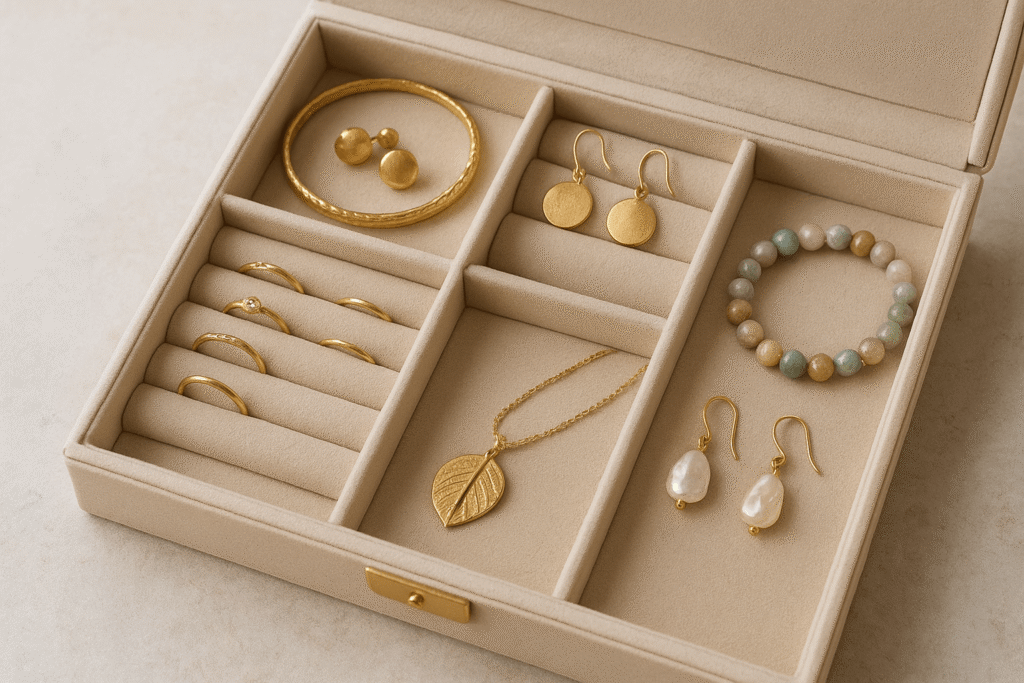
As collections grow, dedicated jewelry boxes with multiple compartments become worthwhile investments. Look for boxes with fabric-lined drawers, ring rolls, necklace hooks, and earring stands. Quality jewelry boxes at this price point often include anti-tarnish lining and locking mechanisms for security. Stackable jewelry trays that fit inside drawers maximize space while keeping pieces organized and accessible.
Wall-mounted jewelry organizers combine display with storage, ideal for frequently worn pieces that you want to see and access easily. Standing jewelry armoires with full-length mirrors provide substantial storage capacity while serving as functional furniture. These typically include varied storage options for different jewelry types within a single piece of furniture.
Premium Storage Systems
High-end jewelry storage combines maximum protection with luxury presentation. Custom-built jewelry safes with climate control systems offer the ultimate protection for valuable collections. These units maintain optimal temperature and humidity while providing security features like biometric locks and alarm systems. Built-in jewelry drawers with custom compartments integrate seamlessly with bedroom cabinetry, offering discreet, organized storage tailored to your specific collection.
Premium jewelry boxes crafted from exotic woods with hand-finished interiors become treasured possessions themselves. Museum-quality storage systems with individual compartments for each piece, complete with descriptive tags and acquisition information, transform collections into properly curated archives.
DIY Custom Solutions
Creative collectors can craft effective custom storage systems. Repurposed vintage suitcases lined with fabric create charming, portable storage. Shadow boxes with individual compartments display favorite pieces while protecting them behind glass. Converted silverware chests with added fabric lining offer abundant compartmentalized storage with built-in tarnish protection.
Organizing Your Jewelry Collection

Organization transforms jewelry storage from a simple protective measure into a system that enhances your daily life. A well-organized collection means you can find what you want when you want it, see what you own to inspire outfit choices, and identify maintenance needs before they become problems.
Categorization Methods
Most collectors benefit from categorizing jewelry by type: rings in one section, necklaces in another, earrings together, and so forth. This intuitive system makes finding specific pieces effortless. Alternative organization schemes include sorting by metal type, which simplifies matching metals to outfits, or by frequency of use, keeping daily pieces most accessible while storing special occasion jewelry more carefully.
Some collectors organize by color or style, creating coordinated sets that simplify outfit planning. Others prefer chronological organization, particularly for pieces with sentimental value, creating a wearable timeline of important life moments. The best system is whichever one you’ll actually maintain consistently.
Inventory Management
Maintaining a jewelry inventory provides multiple benefits. Photograph each piece with notes about its origin, purchase date, value, and any special care requirements. This documentation aids insurance claims if needed, helps you remember what you own, and creates a record for future generations. Digital inventory apps designed specifically for jewelry collections streamline this process considerably.
Include condition notes in your inventory, updating them during regular inspections. This practice tracks wear patterns and helps you schedule maintenance appropriately. For valuable pieces, professional appraisals should be documented and updated every few years as values change.
Accessibility Considerations
Balance protection with accessibility. Pieces you wear daily need easy access, while special occasion jewelry can tolerate more elaborate storage systems. Create zones within your storage system: a quick-access area for everyday pieces, medium-security storage for regularly worn items, and high-security storage for rarely worn valuable pieces.
Consider your morning routine when organizing. If you dress in low light, ensure storage allows you to see and identify pieces easily. If you’re often rushed, simple storage systems you can navigate quickly prevent frustration and reduce the temptation to leave jewelry lying out.
Metal-Specific Storage Requirements

Different metals have distinct storage needs based on their chemical properties and vulnerability to environmental factors. Tailoring storage to metal type prevents damage and maintains appearance.
Sterling Silver Storage
Silver’s tendency to tarnish makes it the most storage-sensitive common jewelry metal. Store silver in anti-tarnish cloth bags or boxes with anti-tarnish lining. These materials contain compounds that neutralize sulfur in the air, dramatically slowing tarnish formation. Keep silver pieces individually wrapped or separated to prevent scratching. Anti-tarnish strips placed in storage containers provide additional protection and should be replaced every six to twelve months as their effectiveness diminishes.
Airtight storage works well for silver pieces you wear infrequently. Zip-lock bags with anti-tarnish strips create effective sealed environments. However, pieces worn regularly benefit from easy-access storage since frequent wearing naturally polishes silver and actually helps prevent tarnish.
Gold Jewelry Storage
Gold doesn’t tarnish but can scratch easily, particularly higher-karat gold that’s softer than gold alloys. Store gold pieces separately from harder metals and gemstones. Soft pouches or lined compartments prevent surface scratching. White gold pieces with rhodium plating benefit from gentle storage that doesn’t rub the plating away prematurely.
Gold chains particularly need careful storage to prevent tangling and kinking. Hang longer chains or wrap them carefully in tissue paper. Ensure clasps are fastened before storing to prevent chains from developing permanent kinks that weaken the metal.
Platinum and Alternative Metals
Platinum develops a patina over time that many owners appreciate, but proper storage prevents unwanted scratching. Its density makes platinum resistant to most environmental factors, though it still benefits from separated storage. Alternative metals like titanium and stainless steel are highly durable but should still be stored carefully to maintain their finish.
Copper and brass pieces require similar care to silver, as they also oxidize and develop patina. If you enjoy the aged appearance, simple storage suffices. If you prefer maintaining bright finishes, use anti-tarnish products and consider airtight storage for pieces worn infrequently.
Gemstone and Delicate Material Storage

Gemstones vary dramatically in hardness and sensitivity, requiring storage systems that account for these differences. Understanding gemstone properties ensures your storage choices protect rather than damage these precious materials.
Hardness-Based Storage
The Mohs hardness scale guides gemstone storage decisions. Diamonds, sapphires, and rubies (hardness eight to ten) can scratch virtually any other material, including metals. Store these hard stones completely separately from softer gemstones and metals. Even storing hard stones together risks damage if they shift and contact each other.
Medium-hardness stones like amethyst, citrine, and topaz (hardness seven to eight) should be kept away from harder stones that could scratch them. Soft stones like pearls, opals, and turquoise (hardness five or below) need especially gentle storage away from all harder materials.
Organic Material Considerations
Pearls require special attention. Store pearls separately from other jewelry in soft pouches or on padded surfaces. Pearl necklaces should lie flat rather than hanging, as hanging can stress the silk thread. Never store pearls in airtight containers, as they need slight moisture to maintain their luster. The traditional practice of wearing pearls frequently actually benefits them, as contact with skin oils helps preserve their beauty.
Amber, coral, ivory, and jet need protection from heat, light, and dry conditions. Store these organic materials in stable environments away from heating vents and windows. Avoid extremely dry conditions that can cause cracking.
Temperature-Sensitive Stones
Opals contain water and can crack in very dry conditions or with rapid temperature changes. Store opals in environments with moderate humidity, never in safety deposit boxes in temperature-controlled bank vaults, which are often too dry. Some collectors place damp cotton in opal storage containers to maintain humidity, though this requires monitoring to prevent excess moisture.
Emeralds are often treated with oils or resins to enhance their appearance, and these treatments can deteriorate over time. Store emeralds away from heat sources and avoid storage locations with temperature fluctuations. Professional jewelers recommend having treated emeralds professionally re-oiled periodically to maintain their appearance.
Travel and Portable Storage Solutions

Traveling with jewelry requires specialized storage that balances portability with protection. Whether traveling for business or pleasure, proper travel storage prevents loss, damage, and theft.
Selecting Travel Storage
Dedicated travel jewelry cases offer the best protection, featuring padded, zippered pouches and compartments designed to keep pieces separated during movement. Look for cases with ring rolls, necklace hooks, and earring holders that secure jewelry in place. Hard-shell cases provide maximum protection against crushing, while soft cases are more compact for limited luggage space.
For extended travel, consider multiple small cases rather than one large case. This approach allows you to secure your most valuable pieces separately and reduces the impact if one case is lost or stolen. Small pouches that fit inside handbags keep frequently worn pieces accessible while traveling.
Packing Techniques
Wrap delicate chains in tissue paper before placing them in compartments to prevent tangling. Fasten all clasps and closures before packing. For earrings, use the tissue paper backing from clothing or button cards to keep pairs together and secure posts. Place heavier pieces in the bottom of cases where they won’t crush delicate items.
Consider which pieces you truly need for your trip. Traveling with your entire collection increases risk unnecessarily. Select versatile pieces that coordinate with multiple outfits, reducing the number of items you transport.
Security During Travel
Never pack valuable jewelry in checked luggage. Always carry jewelry in your personal item or carry-on bag where it remains under your control. At hotels, use in-room safes for valuable pieces when you’re not wearing them. When swimming or exercising, leave jewelry secured in your room rather than storing it in gym or pool lockers.
Photograph your jewelry before traveling and keep receipts or appraisals accessible. This documentation facilitates insurance claims if needed. Consider travel insurance that specifically covers jewelry, as standard travel insurance often has very low coverage limits for jewelry losses.
International Travel Considerations
When traveling internationally, be aware of customs regulations regarding jewelry. Some countries require declarations for valuable pieces entering the country. Keep purchase receipts accessible to prove you owned jewelry before international travel, preventing customs issues when returning home. According to jewelry storage experts, proper documentation protects both your investment and your travel plans.
Climate Control and Environmental Factors

Environmental conditions significantly impact jewelry longevity. Creating optimal storage conditions prevents deterioration and maintains your collection’s beauty.
Humidity Management
Maintaining proper humidity levels protects jewelry from both excess moisture and extreme dryness. Ideal storage humidity ranges from forty to fifty percent relative humidity. In Greenville’s humid summers, consider using silica gel packets or small dehumidifiers in jewelry storage areas. Replace silica gel packets when they become saturated, indicated by color changes in moisture-indicating varieties.
During dry winter months when indoor heating reduces humidity, certain gemstones benefit from slightly higher humidity. Monitor storage areas with a hygrometer and adjust as needed. For valuable collections, small climate-controlled storage units or safes maintain consistent conditions regardless of seasonal changes.
Temperature Stability
Consistent, moderate temperatures preserve jewelry better than environments with dramatic fluctuations. Store jewelry away from heating vents, radiators, windows receiving direct sunlight, and appliances generating heat. Ideal storage temperatures range from sixty-five to seventy-five degrees Fahrenheit. Extreme cold rarely damages jewelry, but rapid temperature changes can cause thermal shock in certain gemstones.
Light Protection
Store jewelry away from direct sunlight and strong artificial light sources. UV radiation fades certain gemstones over time and can degrade organic materials. Closed boxes and drawers provide natural light protection. If displaying jewelry, use UV-filtering glass or acrylic and position displays away from windows and intense lighting.
Air Quality Considerations
Air pollution and household chemicals accelerate tarnishing and corrosion. Store jewelry away from areas where cleaning products, paints, or other chemicals are used or stored. Bathrooms, though convenient for jewelry storage, expose pieces to humidity, chemical residues from personal care products, and temperature fluctuations from showers. Bedroom or closet storage typically provides better environmental conditions.
Security Considerations for Valuable Pieces

Protecting jewelry from theft requires thoughtful security measures appropriate to your collection’s value and your home’s circumstances.
Home Storage Security
For valuable collections, invest in a quality home safe specifically designed for jewelry. Look for safes with both physical security features and fire protection ratings. Bolt safes securely to floor joists or walls to prevent thieves from simply carrying them away. Choose safes with electronic locks rather than combination locks, as electronic versions are typically more secure and easier to use regularly.
Avoid obvious jewelry storage locations. Thieves check master bedroom dressers first during burglaries. Consider alternative storage locations that aren’t immediately obvious. If using a bedroom location is unavoidable, at least avoid the top dresser drawer, which criminals search first.
Insurance and Documentation
Photograph all jewelry pieces, noting distinguishing characteristics that would help identify recovered stolen items. Maintain detailed records including purchase receipts, appraisals, and descriptions. Store copies of this documentation separately from your jewelry, ideally in cloud storage or a safety deposit box.
Review your homeowner’s or renter’s insurance policy regarding jewelry coverage. Standard policies typically have low limits for jewelry theft, often just one to two thousand dollars. Consider adding a jewelry rider or separate valuable items policy for collections exceeding these limits. Professional appraisals every few years ensure insurance coverage reflects current replacement values.
Safety Deposit Boxes
Bank safety deposit boxes provide maximum security for rarely worn valuable pieces or family heirlooms. However, these boxes aren’t ideal for jewelry you wear regularly, as access requires bank visits during business hours. Additionally, very dry conditions in bank vaults can damage certain stones like opals that need slight moisture.
Split valuable collections between home storage for pieces you wear and safety deposit boxes for pieces you rarely use. This approach balances security with accessibility while reducing the total value of jewelry at risk in your home.
Home Security Systems
Comprehensive home security systems deter theft and alert authorities if break-ins occur. Modern systems with door and window sensors, motion detectors, and security cameras provide multiple protection layers. Smart home integration allows you to monitor your home remotely, receiving immediate alerts about security breaches.
Storage Mistakes That Damage Jewelry
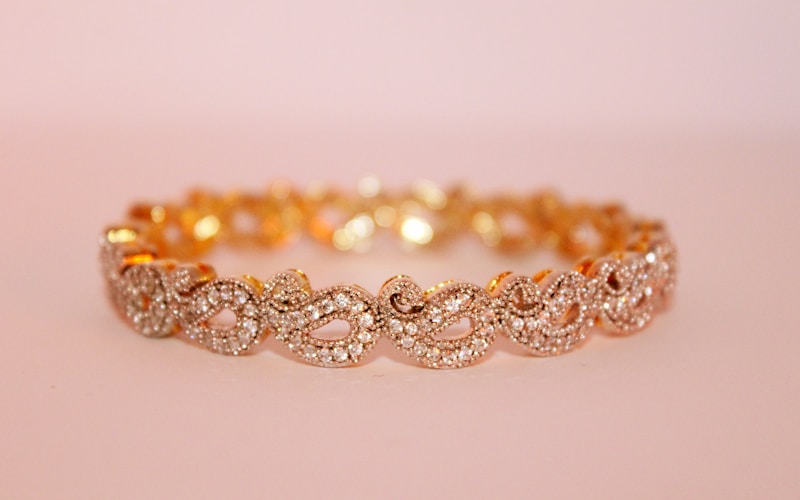
Even well-intentioned collectors make storage mistakes that compromise their jewelry. Recognizing and avoiding these common errors protects your investment.
The Jewelry Box Jumble
Tossing all jewelry together in a single box or drawer ranks as the most common and damaging storage mistake. This practice scratches pieces, tangles chains, bends delicate components, and can even loosen stones. The few seconds required to properly store each piece separately prevents hours of untangling and potential repair costs.
Bathroom Storage
Bathrooms seem convenient for jewelry storage, allowing you to put on jewelry while getting ready. However, bathroom environments are hostile to jewelry. Humidity from showers accelerates tarnishing and corrosion, while temperature fluctuations stress metals and stones. Hairspray, perfume, and cleaning products create a chemical soup that damages many materials. Hair and dust accumulate in intricate designs, dulling appearance and requiring more frequent cleaning.
Hanging Heavy Necklaces
While hanging necklaces prevents tangling, hanging heavy necklaces by their chains can stress and stretch links over time. The weight of pendants or substantial chains creates constant tension that eventually weakens metal at the hanging point. Store heavy necklaces lying flat in compartments rather than hanging vertically.
Neglecting Anti-Tarnish Products
Many collectors invest in anti-tarnish storage products but fail to replace them when they lose effectiveness. Anti-tarnish strips and cloths have limited lifespans, typically six to twelve months depending on conditions. Mark replacement dates on your calendar and refresh these products regularly to maintain their protective benefits.
Improper Pearl Storage
Storing pearls in airtight containers dehydrates them, causing dulling or even cracking. Pearls need slight moisture to maintain their luster. Similarly, storing pearl necklaces hanging can stress the thread between pearls. Restring pearl necklaces every one to two years if worn regularly, as thread stretches and weakens over time.
Forgetting About Stored Jewelry
Out of sight often means out of mind. Jewelry stored away for extended periods without periodic inspection may develop problems that go unnoticed until pieces are worn again. Schedule regular collection reviews every few months, inspecting stored pieces for tarnish, loose stones, or deterioration. This practice also reminds you what you own, encouraging you to wear pieces rather than forgetting about them.
Using Inappropriate Containers
Not all storage containers are jewelry-safe. Cardboard boxes can contain acids that damage metals. Certain plastics release chemicals that accelerate tarnishing. Unsealed wood can have rough surfaces that scratch pieces. When selecting storage containers, choose products specifically designed for jewelry or line other containers with acid-free tissue or jewelry-safe fabric.
Creating Your Perfect Jewelry Storage System
Proper jewelry storage represents an ongoing commitment to protecting pieces you treasure. The investment of time and resources in creating effective storage systems pays dividends in preserved beauty, prevented damage, and peace of mind knowing your collection is safe.
Start by assessing your current collection and storage situation. Identify pieces at risk due to inadequate storage and prioritize addressing those concerns. Build your storage system gradually if budget constraints exist, beginning with the most valuable or delicate pieces. Even simple improvements like adding fabric pouches or anti-tarnish strips make meaningful differences.
Remember that the best storage system is one you’ll actually use consistently. Overly complicated systems that require extensive time or effort often go unused, ultimately providing no protection at all. Balance thoroughness with practicality, creating a system that fits your lifestyle while meeting your jewelry’s protection needs.
As your collection from Make Made Jewelry grows, your storage system should evolve accordingly. Regular reviews allow you to adjust and improve your approach based on what works well and what needs refinement. Storage isn’t a one-time project but rather an ongoing aspect of jewelry stewardship that preserves these precious pieces for future generations to enjoy.
By implementing the strategies outlined in this guide and avoiding common storage mistakes, you create an environment where your handmade jewelry remains as beautiful as the day you acquired it. Proper storage honors the artistry and craftsmanship invested in creating each piece, ensuring these treasures continue bringing joy for decades to come.