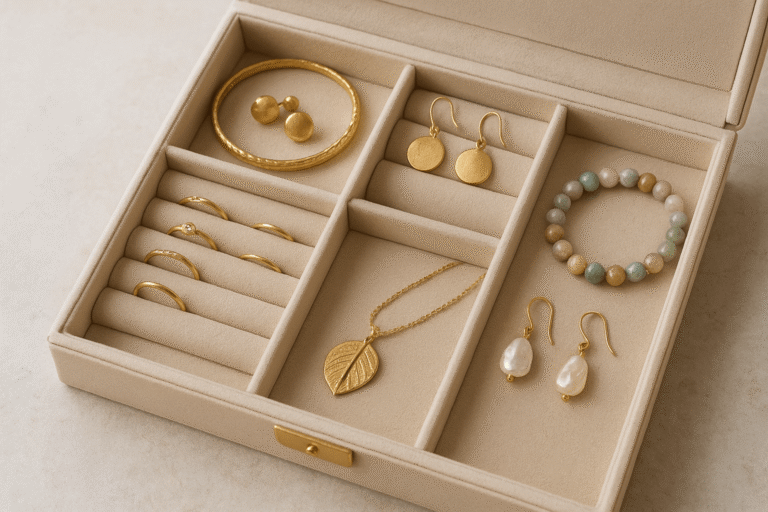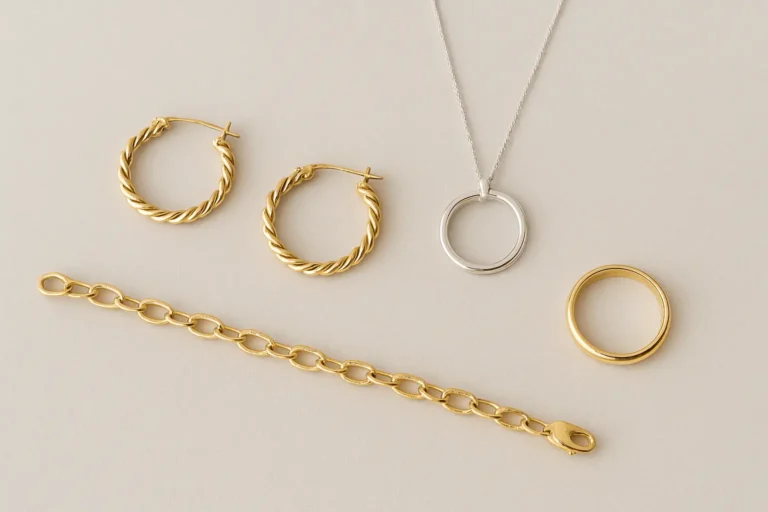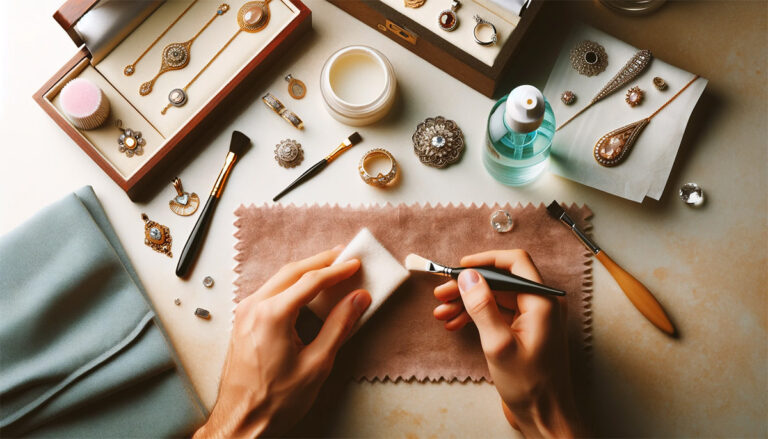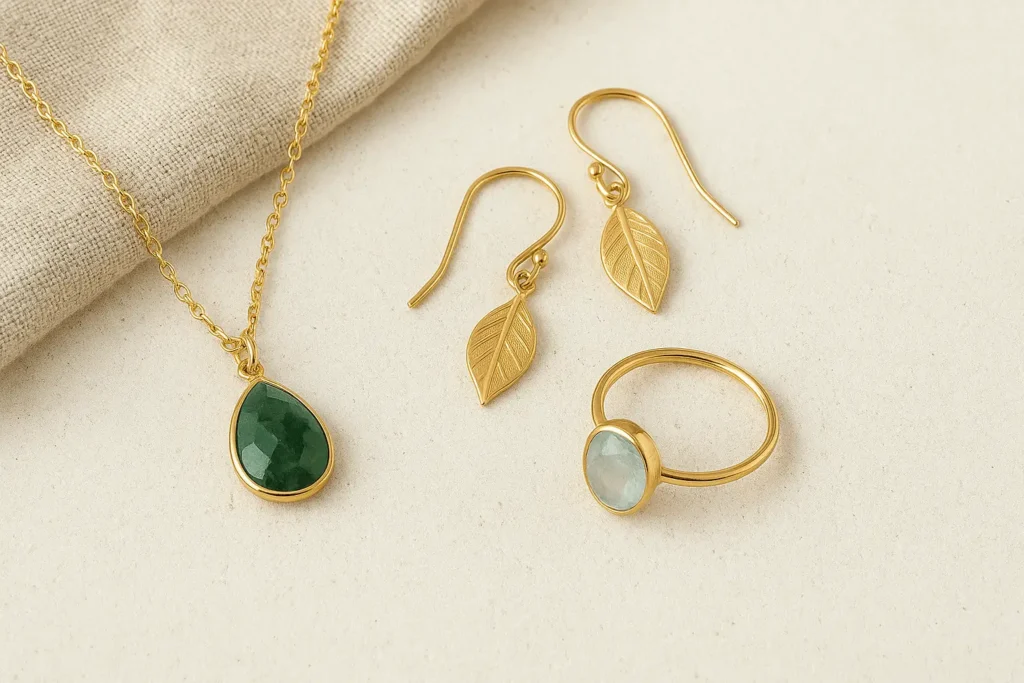
In a world dominated by mass production and fleeting trends, handmade jewelry stands as a powerful statement of authenticity, craftsmanship, and conscious consumption. Each piece tells a story that extends far beyond its aesthetic appeal—connecting makers to wearers, tradition to innovation, and beauty to purpose.
Table of Contents
- The Quality of Artisan Craftsmanship
- Every Piece Tells a Story
- Environmental Sustainability and Reduced Carbon Footprint
- Ethical Sourcing and Fair Labor Practices
- Uniqueness and Individual Expression
- Supporting Independent Artisans and Local Economies
- Superior Durability and Longevity
- The Emotional Connection and Meaning
- Customization and Personalization Options
- Long-Term Investment Value
The Quality of Artisan Craftsmanship

When you hold a piece of handmade jewelry, you’re experiencing the culmination of years of training, dedication, and artistic vision. Unlike mass-produced items churned out by machines in factories, handmade jewelry reflects the skilled touch of an artisan who has invested time mastering their craft.
Artisan jewelers employ traditional techniques that have been refined over generations—from hand-soldering delicate joints to setting stones individually with meticulous attention to alignment and security. This level of craftsmanship results in pieces with superior structural integrity. Each connection is stronger, each detail more refined, and each finish more carefully executed than what automated processes can achieve.
The quality difference becomes apparent in the details: prongs that perfectly cradle gemstones, solder joints that are virtually invisible, and surface finishes that showcase the natural beauty of precious metals. Handmade pieces often feature deliberate textures like hammered surfaces or hand-engraved patterns—details that give jewelry its character and distinguish it from factory-made alternatives.
Moreover, artisan jewelers select materials with discerning eyes, choosing metals and gemstones for their quality rather than simply their availability. This careful material selection combined with expert craftsmanship means handmade jewelry isn’t just beautiful—it’s built to last generations, becoming tomorrow’s treasured heirlooms.
Every Piece Tells a Story

Handmade jewelry carries narratives that mass-produced pieces simply cannot replicate. Each creation embodies the artisan’s creative journey, their cultural influences, and their personal artistic vision. When you purchase a handmade piece, you’re not just acquiring an accessory—you’re becoming part of a story that began in an artisan’s workshop.
These stories manifest in multiple layers. There’s the artisan’s story: their training, their inspirations, the techniques they’ve mastered, and the traditions they honor. Many jewelry makers draw from cultural heritage, incorporating motifs and methods passed down through families or preserved from historical craftsmanship traditions.
Then there’s your story—the memories and meaning you attach to the piece. Perhaps you purchase a handmade ring to commemorate a life milestone, or receive an artisan necklace as a gift from someone special. These pieces become wearable memories, physical reminders of moments, relationships, and personal growth. Unlike generic jewelry that could belong to anyone, handmade pieces feel uniquely yours because they were created with intention and worn with purpose.
The imperfections inherent in handmade jewelry—slight variations in texture, asymmetries that prove human touch—add to this narrative quality. These characteristics aren’t flaws but rather signatures of authenticity, proof that your piece was created by skilled hands rather than stamped out by machines. They make each item genuinely one-of-a-kind, impossible to perfectly replicate even by the same artisan.
Environmental Sustainability and Reduced Carbon Footprint

In an era of climate consciousness, the environmental advantages of handmade jewelry have never been more relevant. Small-scale artisan production inherently creates a smaller carbon footprint than industrial manufacturing, making handmade jewelry a more sustainable choice for conscious consumers.
Reduced Energy Consumption
Handmade jewelry production typically occurs in small workshops rather than energy-intensive factories. Artisans work on individual pieces using hand tools and small-scale equipment, consuming a fraction of the electricity required by mass production facilities. This localized production also eliminates the need for extensive transportation networks, further reducing carbon emissions associated with shipping raw materials and finished products across continents.
Minimal Waste Generation
Artisan jewelers approach materials with respect and frugality. Unlike factories that generate significant waste through imperfect pieces discarded in quality control, handmade jewelry production minimizes waste by carefully planning each piece. Precious metal scraps are collected and recycled, gemstone dust is repurposed, and artisans often work with reclaimed materials, giving new life to vintage pieces or recycled metals.
Sustainable Material Choices
Many handmade jewelry artisans prioritize ethical and sustainable material sourcing. They often use recycled precious metals, which require significantly less environmental disruption than newly mined materials. When new materials are necessary, conscious artisans seek ethically sourced gemstones from fair-trade mines and responsibly harvested organic materials.
The contrast with mass production is stark. Industrial jewelry manufacturing relies on extensive mining operations that cause deforestation, habitat destruction, and water contamination. The energy required to power large factories, combined with the emissions from global supply chains, creates an environmental impact that dwarfs small-scale handmade production. By choosing handmade jewelry, you’re actively reducing demand for these environmentally damaging practices.
Ethical Sourcing and Fair Labor Practices

Beyond environmental concerns, handmade jewelry addresses critical ethical issues within the jewelry industry. When you purchase from artisan makers, you’re supporting fair labor practices and transparent supply chains that respect human dignity and workers’ rights.
Transparent Supply Chains
Handmade jewelry artisans typically maintain direct relationships with their material suppliers, providing transparency that mass producers cannot match. Many can tell you exactly where their metals and gemstones originate, how they were sourced, and under what conditions workers extracted or processed them. This traceability allows conscious consumers to make informed purchasing decisions aligned with their values.
Fair Compensation for Skilled Work
When you purchase handmade jewelry, more of your money goes directly to the skilled artisan who created your piece. Unlike factory workers paid minimal wages for repetitive tasks, independent jewelry makers receive fair compensation that reflects their expertise, training, and creative contribution. This economic model supports sustainable livelihoods for artisans and their communities.
Safe Working Conditions
Small artisan workshops typically provide safer, more humane working environments than large-scale manufacturing facilities. Artisans control their own working conditions, taking breaks as needed and working at a pace that maintains both quality and wellbeing. This stands in sharp contrast to factory environments where workers may face pressure to meet quotas, exposure to harmful chemicals without adequate protection, or unsafe conditions driven by profit maximization.
Supporting handmade jewelry also means supporting communities. Many artisan jewelers train apprentices, preserving traditional techniques while providing employment opportunities. Some work with marginalized communities, providing pathways to economic independence for people who might otherwise lack access to meaningful work. Your purchase becomes more than a transaction—it becomes an investment in human potential and community resilience.
Uniqueness and Individual Expression

In a world where mass production has made sameness the norm, handmade jewelry offers something increasingly precious: genuine uniqueness. Every handcrafted piece possesses individual characteristics that make it impossible to perfectly replicate, ensuring you own something truly distinctive.
This uniqueness stems from the human element in creation. Even when an artisan creates multiple pieces from the same design, subtle variations emerge—a slightly different hammer texture, minor differences in wire gauge, or unique stone placement. These variations aren’t quality issues; they’re signatures of authenticity that make each piece special.
For individuals seeking to express their personal style, handmade jewelry provides options beyond mainstream trends. Artisan jewelers often create designs that reflect their unique artistic visions rather than following commercial market demands. This means you can find pieces that genuinely resonate with your aesthetic preferences rather than settling for what’s currently popular in retail chains.
The ability to commission custom pieces further enhances this individual expression. Many handmade jewelry artisans welcome custom work, collaborating with clients to create pieces that perfectly capture their vision, commemorate specific memories, or incorporate meaningful symbols. Whether you’re looking for unique engagement rings or distinctive everyday pieces, handmade jewelry allows for personalization that mass production simply cannot accommodate.
This uniqueness extends to vintage-inspired and heritage designs that honor historical jewelry-making traditions. Artisan jewelers often study and recreate techniques from different eras and cultures, offering pieces with timeless appeal that stand apart from contemporary mass-market trends.
Supporting Independent Artisans and Local Economies

Every purchase of handmade jewelry represents a direct investment in independent artisans and the communities they support. Unlike buying from large corporations where your money disperses across complex organizational structures, purchasing handmade keeps funds circulating within local economies and supports self-employed creative professionals.
Economic Empowerment
Independent jewelry artisans are small business owners, often working from home studios or small workshops. Your purchase provides them with income that allows them to continue their craft, support their families, and contribute to their local economies. This economic model empowers individuals to build sustainable livelihoods around their skills and passions rather than working in larger corporate structures.
Preserving Traditional Crafts
By supporting handmade jewelry artisans, you help preserve traditional metalworking, stone-setting, and jewelry-making techniques that might otherwise disappear. Many artisans learned their craft from mentors or family members, carrying forward knowledge accumulated over generations. When these artisans thrive, they can teach the next generation, ensuring these valuable skills survive into the future.
Community Impact
Successful artisan jewelers often become anchors in their communities. They may train apprentices, collaborate with other local craftspeople, or participate in craft markets that draw visitors to their regions. In places like Greenville, thriving artisan communities contribute to cultural vitality, economic diversity, and local identity. Supporting these makers helps create vibrant, creative communities where craftsmanship is valued and celebrated.
Direct Relationships
Purchasing handmade jewelry often means developing personal relationships with makers. You can ask questions about their process, learn about their inspirations, and even request modifications or custom pieces. This connection transforms shopping from an impersonal transaction into a meaningful exchange, creating bonds between makers and wearers that enrich both parties.
Superior Durability and Longevity

One of the most compelling practical arguments for handmade jewelry is its superior durability. Pieces crafted by skilled artisans using traditional techniques typically outlast mass-produced alternatives by decades, making them better long-term investments despite potentially higher initial costs.
Quality Construction Methods
Handmade jewelry benefits from construction techniques that prioritize longevity over production speed. Artisans hand-solder joints with careful attention to creating strong bonds, set stones with prongs individually sized and positioned for optimal security, and finish pieces with meticulous surface work that resists wear. These labor-intensive methods create jewelry with structural integrity that machine-made pieces often lack.
Superior Materials
Artisan jewelers typically work with higher-quality materials than mass producers. While factories may use thinner metals to reduce costs or lower-grade stones that meet minimum standards, handmade jewelry makers select materials for quality and suitability. This means thicker metal that won’t wear through, better-quality clasps that function reliably for years, and carefully selected gemstones without significant flaws that could compromise durability.
Designed for Longevity
Unlike fashion jewelry designed for a season or two of wear, handmade pieces are created with longevity in mind. Artisans understand that their reputation depends on pieces that last, so they design with wear patterns in mind, reinforce stress points, and use techniques proven to withstand decades of use. This approach creates jewelry that can be worn daily for years without significant deterioration.
Repairability
When handmade jewelry does need repair—and eventually, all jewelry requires some maintenance—it’s typically more repairable than mass-produced pieces. Because handmade jewelry uses traditional construction methods, skilled jewelers can repair or restore it using the same techniques. Mass-produced jewelry sometimes uses proprietary methods or materials that make professional repair difficult or impossible.
This durability makes handmade jewelry more sustainable not just environmentally but economically. A well-crafted handmade piece worn for decades has a much lower cost-per-wear than cheaper alternatives requiring frequent replacement. It’s truly an investment that pays dividends in both enjoyment and longevity.
The Emotional Connection and Meaning
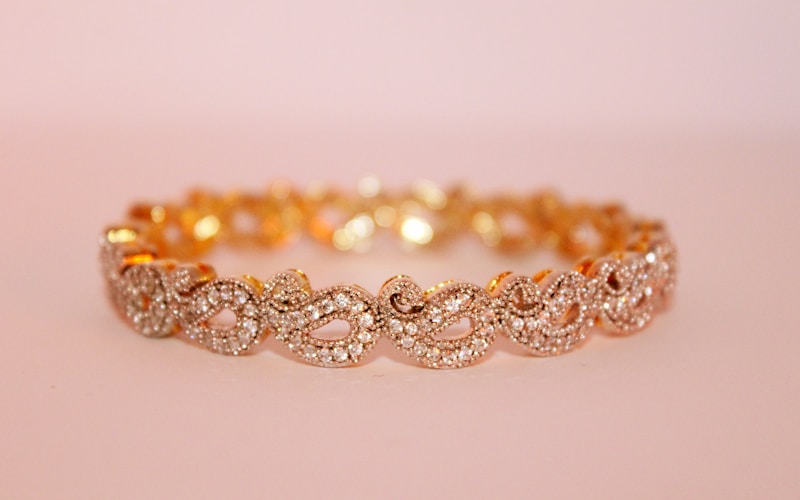
Perhaps the most profound difference between handmade and mass-produced jewelry lies in the emotional connection wearers develop with their pieces. Handmade jewelry transcends mere adornment, becoming repositories of memory, symbols of relationships, and tangible expressions of personal identity.
Meaningful Acquisition
The process of acquiring handmade jewelry often creates meaning in itself. Whether you commission a custom piece, carefully select from an artisan’s collection, or receive handmade jewelry as a thoughtful gift, the intentionality involved in these transactions creates emotional investment. You’re not grabbing something generic off a shelf—you’re choosing or receiving something created with care and consideration.
Personal Talismans
Handmade jewelry often becomes personal talismans that wearers turn to for comfort, confidence, or connection. These pieces might be worn during important life events, touched in moments of stress, or cherished as reminders of personal strength or loved ones. The uniqueness of handmade pieces and the stories behind them amplify this talismanic quality, making jewelry feel protective or empowering in ways that generic pieces rarely achieve.
Commemoration and Memory
Handmade jewelry excels at commemorating life’s significant moments. Whether it’s an engagement ring that marks the beginning of a shared journey, a memorial piece incorporating a loved one’s handwriting, or a graduation gift celebrating achievement, handmade jewelry can be specifically created or selected to honor what matters most. These pieces become physical anchors for memories, growing more precious as years pass.
Heirloom Potential
The emotional value of handmade jewelry often increases over time, making these pieces natural heirlooms. As jewelry passes from one generation to the next, it carries not just material value but the stories, memories, and connections it represents. Knowing that your handmade necklace or ring might someday be treasured by your children or grandchildren adds depth to your ownership and care of these pieces.
This emotional dimension transforms jewelry from a purchase into a relationship. You don’t just own handmade jewelry—you live with it, share experiences with it, and ultimately pass it forward with stories intact.
Customization and Personalization Options

One of the most appealing aspects of handmade jewelry is the accessibility of customization and personalization. Unlike mass production where designs are fixed and modification is impossible, handmade jewelry offers flexibility that allows you to create pieces perfectly aligned with your vision, values, and story.
Design Collaboration
Many artisan jewelers welcome design collaboration, working with clients to develop pieces from initial concepts. This collaborative process allows you to incorporate specific design elements, meaningful symbols, or personal references that make jewelry uniquely yours. Whether you have a clear vision or just a general direction, skilled artisans can translate your ideas into wearable reality.
Meaningful Modifications
Personalization can range from simple engravings to complex custom designs. Common personalizations include engraved names, dates, or messages; incorporated birthstones representing loved ones; customized metal choices that suit skin tone or budget; scaled sizing for perfect fit; and modified designs that honor cultural heritage or personal symbolism.
Transformation and Reimagining
Handmade jewelry artisans can also transform existing pieces, breathing new life into inherited jewelry or outdated designs. Perhaps you have a grandmother’s ring with stones you love but a setting that feels dated. Artisan jewelers can reimagine these pieces, preserving what’s meaningful while creating something wearable for contemporary style. This transformation honors heritage while making pieces personally relevant.
Made-to-Order Benefits
Many handmade jewelry makers work on a made-to-order basis, creating pieces specifically for customers rather than producing inventory speculatively. This approach allows for size customization, personal design preferences, and material choices tailored to individual needs and budgets. It also reduces waste by producing only what’s actually desired rather than creating surplus inventory.
This customization potential makes handmade jewelry particularly valuable for marking life’s important moments. Custom engagement rings can incorporate design elements meaningful to the couple, memorial jewelry can include specific symbolism, and celebratory pieces can be created to honor individual achievements or milestones.
Long-Term Investment Value

While the emotional and aesthetic rewards of handmade jewelry are immediate, these pieces also represent sound financial investments that typically retain or increase in value over time. Understanding the investment potential of handmade jewelry helps frame purchases as long-term assets rather than mere expenses.
Material Value
Handmade jewelry typically uses precious metals and genuine gemstones that hold intrinsic value. Unlike fashion jewelry made from base metals and synthetic stones, artisan pieces contain materials with established market values. Gold, silver, and platinum retain worth regardless of design, and quality gemstones appreciate over time, particularly rare or exceptional specimens.
Craftsmanship Premium
The skilled work invested in handmade jewelry adds value beyond materials. As appreciation for artisan craftsmanship grows and traditional jewelry-making skills become rarer, well-executed handmade pieces command premium prices in secondary markets. Collectors and connoisseurs recognize the superior quality of handmade work, making these pieces more desirable for resale or inheritance.
Durability Means Lower Lifetime Cost
When calculated over years of wear, handmade jewelry often proves more economical than cheaper alternatives. A well-made handmade ring worn for twenty years has a much lower annual cost than mass-produced pieces requiring replacement every few years. This durability creates financial value through longevity, making higher initial investment ultimately more affordable.
Heirloom Potential
Handmade jewelry’s quality and durability make these pieces natural heirlooms that can be passed through generations. Family jewelry often carries value far exceeding its material worth, representing tangible connections to family history. Investing in quality handmade pieces creates potential heirlooms that benefit descendants while providing enjoyment throughout your lifetime.
Supporting Appreciating Assets
As consumers increasingly value sustainability, ethical sourcing, and artisan work, handmade jewelry from respected makers may appreciate in value. Pieces from artisans who gain recognition or whose work exemplifies particular movements or periods can become collectible, increasing in worth beyond their material components.
For those interested in jewelry as investment, handmade pieces offer compelling advantages. They combine immediate aesthetic pleasure with long-term value retention, emotional significance with financial sensibility, and personal expression with practical durability.
The Enduring Value of Choosing Handmade
Handmade jewelry matters because it represents values that transcend mere adornment. In choosing artisan-crafted pieces, you’re supporting sustainable practices that honor our planet, ethical standards that respect human dignity, and creative traditions that preserve cultural heritage. You’re acquiring unique items that express your individuality while investing in quality that lasts generations.
The distinction between handmade and mass-produced jewelry extends far beyond aesthetics. It encompasses environmental stewardship, social responsibility, economic empowerment, and personal meaning. Each handmade piece carries the fingerprints—literal and metaphorical—of its maker, connecting you to their skill, their story, and the broader tradition of human craftsmanship.
In our fast-paced world of disposable consumption, handmade jewelry offers an alternative that prioritizes quality over quantity, meaning over convenience, and longevity over trends. These pieces don’t just survive; they improve with age, accumulating patina and story, becoming more precious as years pass.
Whether you’re drawn to handmade jewelry for its environmental benefits, its superior quality, its uniqueness, or its emotional resonance, you’re making a choice that matters. You’re voting with your wallet for a more sustainable, ethical, and human-centered approach to creating beautiful objects. You’re supporting artisans who dedicate their lives to their craft and communities that thrive on creative work.
As you explore options at Make Made Jewelry, consider what handmade jewelry can add to your life—not just as accessory but as art, as investment, as memory, and as statement of your values. Choose pieces that speak to you, support makers whose work resonates with your aesthetic and ethics, and cherish the jewelry that becomes part of your story.
Handmade jewelry matters because quality matters, because stories matter, because sustainability matters, and because the human touch matters. In choosing handmade, you’re choosing all of these—and wearing your values beautifully.